
Many website builders offer basic e-commerce tools, but B2B businesses need more – you need a platform that’s designed to help your business thrive in the B2B space.
To streamline operations, you’ll want custom pricing tiers, dynamic price adjustments, and other wholesale sales options. If your business is growing, you’ll also need client relationship management (CRM) software and consumer relationship systems. All this, plus a consumer-friendly portal, makes for an ideal B2B platform.
After testing multiple options, I found Shopify Enterprise to be the best for building a B2B online storefront. It combines an intuitive interface with strong integration capabilities and specialized B2B tools like custom price lists and company-specific catalogs.
Read on to discover how Shopify Enterprise and other platforms can set your B2B business up for success.
Short on Time? These Are the Best B2B E-commerce Platforms in 2026
- Shopify – Flexible features like custom pricing and bulk order tools make it easier to tailor your storefront specifically for your client’s needs.
- Wix – User-friendliness combined with customization options, so you can quickly set up and adjust your storefront without needing advanced technical skills.
- BigCommerce – Advanced B2B tools like multi-channel selling and robust inventory management to streamline operations and support complex business processes.
What We Look For in the Best B2B E-commerce Platforms
During my tests, I focused on the essential features B2B businesses need to operate efficiently. Here’s what I prioritized:
- Advanced e-commerce functionality. Platforms needed to support complex operations like custom pricing, multi-currency support, bulk orders, and multi-channel selling. Every platform on my list provided these tools, making them well-suited for B2B.
- Market-proven SEO tools. Built-in SEO capabilities were essential for improving search engine rankings. All six options delivered effective SEO features to enhance online visibility.
- Scalable and flexible. I looked for platforms that could adapt as your business grows or evolves. Every platform I tested offered scalable plans and customizable tools to meet this demand.
- User-friendly. Platforms needed to balance functionality with intuitive design for both you and your clients. Though some platforms on this list prioritize user-friendliness more than others, all the options I included are accessible to business owners.
- Analytics and data features. I valued tools that allowed businesses to track performance and gather client insights. Each platform on my list provided strong analytics options to guide your decisions.
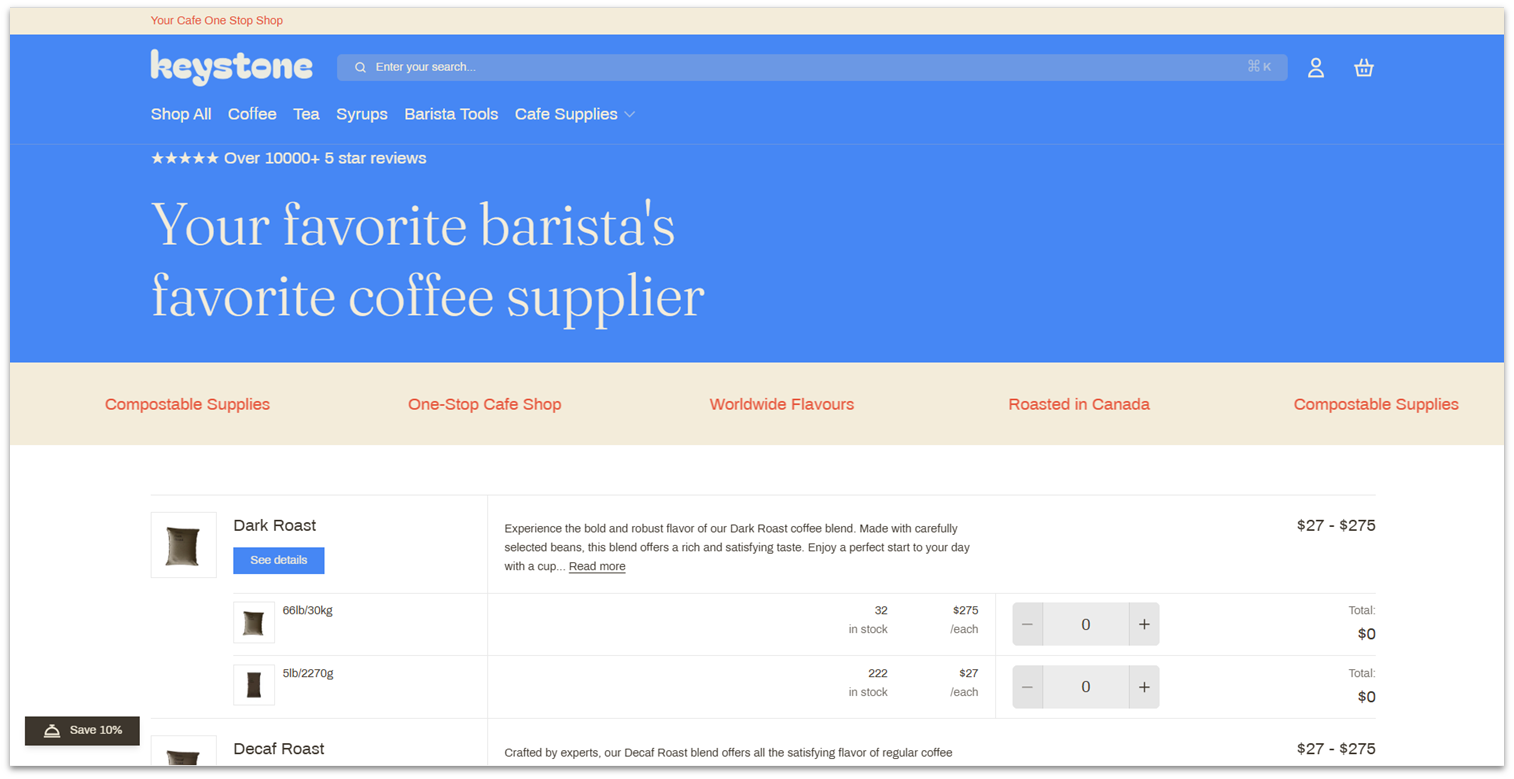
Shopify offers plans tailored to businesses of all sizes, with its Enterprise plan providing specialized tools for B2B growth and streamlined operations. Whether you’re running a small online store or scaling to large-scale business operations, Shopify ensures flexibility and functionality.
For B2B businesses, Shopify’s Enterprise tools enhance wholesale capabilities with features like bulk-ordering options and a fully customizable customer portal. This lets your buyers manage their accounts effortlessly. You also get advanced staff account controls, which allows you to assign privileges and optimize team workflows.
Shopify also stands out for its unique user-friendly approach to e-commerce. Thanks to its drag-and-drop builder, wide offering of templates, and intuitive dashboard navigation, it’s easy to set up and manage stores of all sizes.
Though the custom-priced enterprise plan offers the bulk of Shopify’s B2B tools, the Basic plan still works well for smaller B2B businesses. It includes essentials like POS support, up to 10 store locations, and an easily customizable online store. However, for full B2B functionality and long-term growth, the Enterprise plan is a worthwhile investment despite the higher cost.
Save up to 25 % on your Shopify plan!
Limited-time offer - Don't miss it!
Features
- Integrations with over 100 worldwide payment providers. Besides Credit and Debit card payments, Shopify offers integrations with over 100 payment providers around the globe, ensuring your customers can always pay in through their preferred method.
- Customer retention tools. For recurring customers, Shopify offers tools to streamline their buying experience, like keeping credit cards. Its built-in tools help you personalize the shopping experience, encouraging repeat purchases and fostering loyalty.
- Workflow automations. Shopify’s no-code automation tools let you streamline repetitive tasks, giving you more time to focus on growing your business. Automate processes like inventory updates, order tracking, and customer notifications with ease
- B2B-optimized theme. Shopify offers a unique theme designed for B2B businesses so you can hit the ground running. This theme includes features like quick-order forms, bulk purchasing options, and advanced search functionality.
Read our expert Shopify review for more details.
| SEO tools |
|
| Marketing features |
|
| Storage space (on cheapest e-commerce plan) | Unlimited |
| Starting Price (e-commerce enabled) | $29.00 |
2. Wix: A Customizable and User-Friendly Solution

Wix sets itself apart with an impressive visual drag-and-drop editor that gives you complete creative control over your site’s design and layout. Over years of testing, I’ve found Wix’s interface particularly smooth. With over 900 professionally designed templates, Wix provides plenty of options to jumpstart your site. Additionally, the platform’s AI-powered Wix ADI can generate a custom website tailored to your business needs.
The mix of robust e-commerce tools and design options makes Wix ideal for business owners looking to give their customer portal a unique experience. The Wix App Market features tools like Wix Booking that lets potential clients schedule consultations directly through your website. Another standout is WEB-STAT, which provides real-time analytics about visitor behavior, including geographical location and time spent on each page.
If you want to try Wix’s editor, the free plan gives you full access to its design features. You can even publish your site for free, but it will display a Wix subdomain and branding. For e-commerce, the Business Basic plan starts at $39.00 per month. It includes essential features like secure online payments and customer accounts, perfect for small B2B operations looking to establish their online presence.
Save up to 50 % on your Wix plan!
Sign up for an annual plan and enjoy the savings.
Plus get a free custom domain for 1 year!
Features
- Hundreds of third-party integrations. Wix offers an immense catalog of third-party integrations so your storefront can work seamlessly with the software you already use.
- Item success tracking. Wix provides detailed analytics on item performance over time, giving you valuable insights to help guide your business decisions.
- In-depth SEO quiz. Wix analyses your site and provides actionable steps to improve your SEO, making it easier to boost your visibility.
- Marketplace integration. Though marketplace selling isn’t always as common for B2B businesses, easy integrations with more sales channels can only work for your advantage.
Read our in-depth Wix review for more details.
| SEO tools |
|
| Marketing features |
|
| Storage space (on cheapest e-commerce plan) | 50 GB |
| Starting price (e-commerce enabled) | $29.00 |

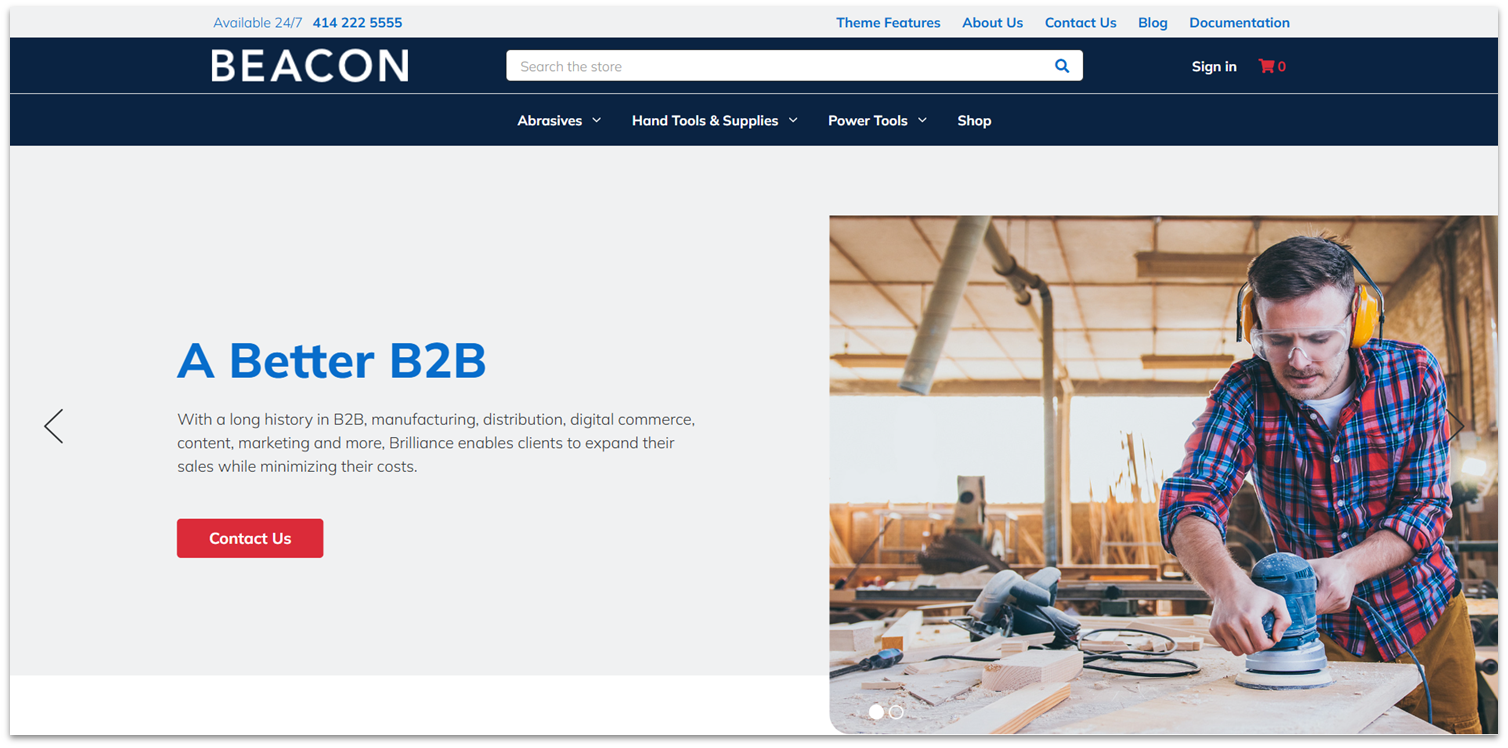
BigCommerce’s custom B2B plan offers specialized tools designed for wholesale and bulk selling, including flexible price lists and advanced quote management. User management tools let you assign roles and permissions to different team members, which simplifies collaboration and control. These capabilities cater perfectly to businesses needing granular customization.
The platform also integrates seamlessly with CRM and ERP software, simplifying customer data and syncing inventory across platforms. Additionally, BigCommerce offers access to agency partners who can assist with building and maintaining your B2B site, a valuable resource for businesses without in-house development teams. For businesses without an in-house development team, this feature can signify a much-needed bit of help.
BigCommerce uses a custom pricing model. While its services tend to be on the higher end of the price spectrum, the robust tools and features justify the cost for businesses serious about scaling.


Try BigCommerce for FREE for 15 days!
See if it's right for you - no credit card required.
Features
- Custom invoice portal. You can view your invoice history and settle balances directly through the platform, streamlining payment processes.
- Sales rep masquerade. Sales representatives can log in on behalf of your company to assist with orders and account management, enhancing the purchasing experience.
- Multiple storefront locations. Manage multiple unique storefronts from a single backend, allowing you to localize experiences across different regions or customer segments.
- Custom pricing. Create tailored pricing options for individual customers or groups, enabling personalized offers that can boost customer satisfaction and loyalty.
Check out our complete BigCommerce review for more.
| SEO tools |
|
| Marketing features | 240+ marketing integrations |
| Storage space (on cheapest e-commerce plan) | Unlimited |
| Starting Price (e-commerce enabled) | Custom |
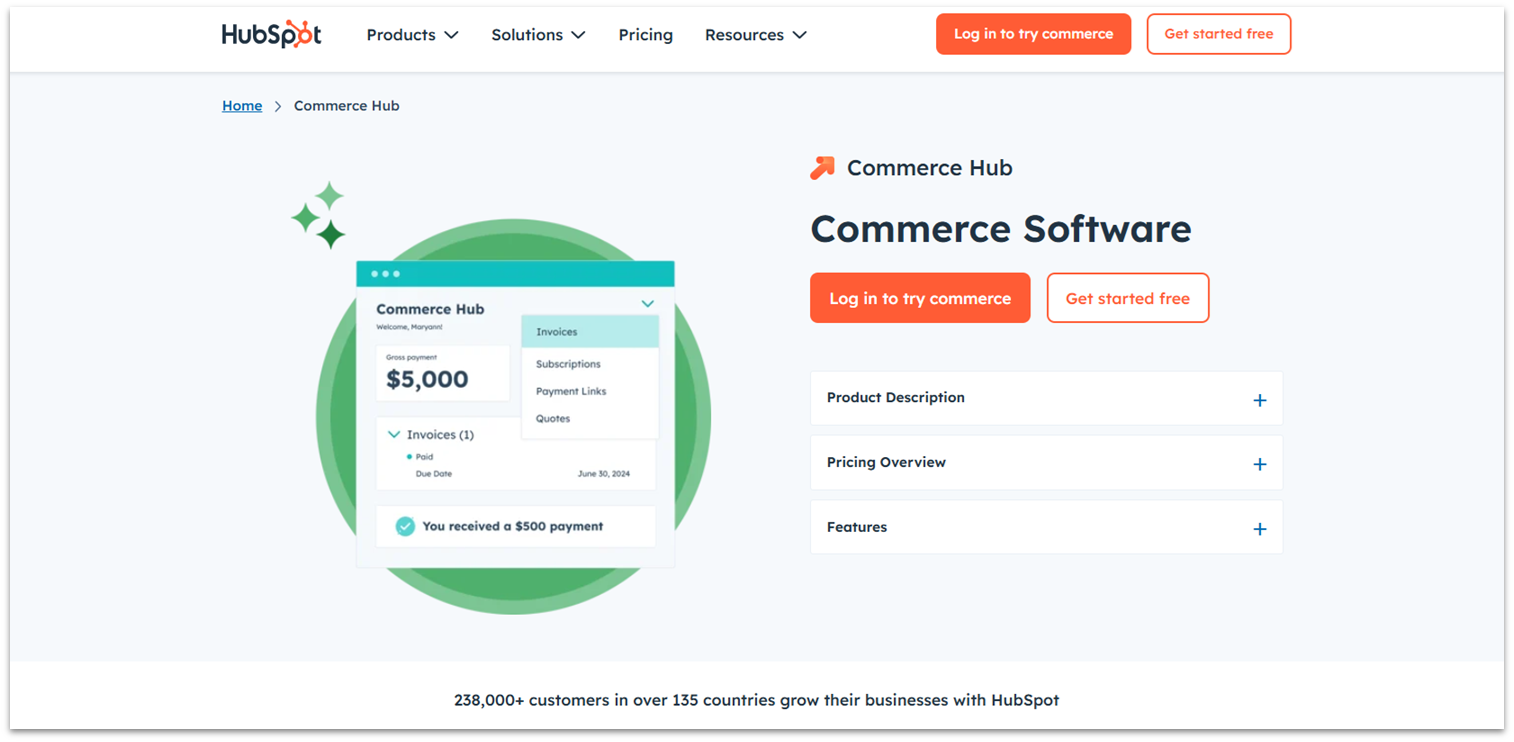
HubSpot’s Commerce Hub simplifies invoicing and payment processes with features like custom invoices, payment automation, and seamless integration with HubSpot’s CRM and other tools. Professional quote templates make sending detailed proposals effortless. These tools are designed to save time while keeping your operations professional and efficient.
HubSpot also offers a website builder that lets you create a business site without code. Its drag-and-drop functionality makes customization easy, though it’s not my favorite website builder, it’s definitely effective. Combined with HubSpot’s sales software, which includes pipeline management and email tracking, HubSpot could be an all-in-one platform for all your business needs.
Unlike many e-commerce platforms, Commerce Hub doesn’t charge monthly fees. Instead, you’ll only pay a small transaction fee on invoices – making it a cost-effective option. When combined with HubSpot’s CRM, marketing tools, and Sales Hub, it becomes a compelling choice for businesses seeking an integrated solution.
Features
- Sales pipeline management. Visually track your sales process to monitor deals and identify bottlenecks, enabling you to prioritize leads and close more deals.
- B2B checkout. Create a customized checkout experience tailored for B2B transactions, making it easier for clients to complete their purchases.
- Subscription tools. Set up recurring payments and manage subscriptions efficiently, ensuring consistent revenue streams and improved customer retention.
- QuickBooks integrations. Integrate seamlessly with QuickBooks to synchronize financial data, streamlining your accounting processes and maintaining accurate records.
Read our expert HubSpot review for more details.
| SEO tools | Separate SEO marketing software |
| Marketing features | Separate marketing software |
| Storage space (on cheapest e-commerce plan) | Unlimited |
| Starting Price (e-commerce enabled) | $20.00 |
5. Ecwid: Simple, Fast, and Affordable
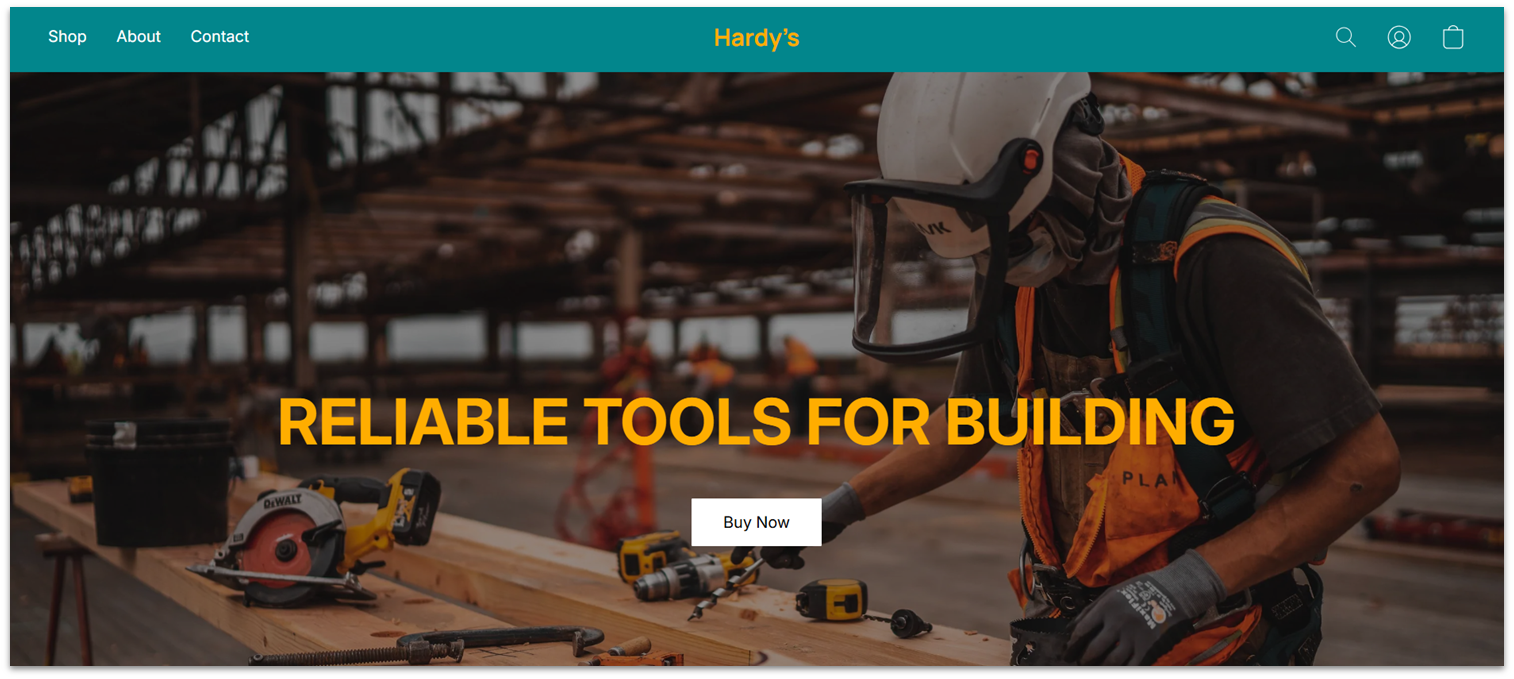
Ecwid stands out as a user-friendly e-commerce solution that lets you start selling without worrying about transaction fees eating into your profits. It also integrates seamlessly with major online marketplaces. You can manage listings on Amazon and Facebook Marketplace directly from the Ecwid dashboard. The platform makes it particularly simple to sync inventory across multiple sales channels, ensuring consistent stock levels everywhere you sell.
The B2B commerce tools impressed me with their practical approach. The multilanguage storefront automatically detects your visitors’ location and displays content in their preferred language. The built-in marketing tools can automate email campaigns and abandoned cart recovery functions.
The free plan lets you create a basic store with up to 5 products, though you’ll be limited to an Ecwid subdomain and basic features. The Business plan at $45.00 monthly unlocks the full B2B potential. It includes wholesale pricing options, advanced inventory management, and a comprehensive customer dashboard for managing client relationships and order history.
Features
- Volume-based pricing options. If you manage bulk orders, Ecwid’s flexible pricing structure helps you scale without overpaying. This is especially valuable for B2B businesses handling high-volume transactions.
- Plenty of automation tools. Automating tasks like inventory management and order tracking saves you time. You can focus on building relationships with clients while letting the system handle repetitive work.
- Easy website customization. Ecwid’s intuitive interface makes it simple to design a store that fits your business, even if you have no coding experience.
- Solid marketing tools. Ecwid’s built-in marketing features help you reach your audience efficiently. Tools like email campaigns and SEO optimization are especially useful for driving traffic and increasing conversions in B2B sales.
Read our in-depth review of Ecwid to learn more.
| SEO tools |
|
| Marketing features |
|
| Storage space (on cheapest e-commerce plan) | 5 products |
| Starting Price (e-commerce enabled) | $25.00 |
6. Adobe Commerce (formerly Magento): Unmatched Flexibility for Skilled Users
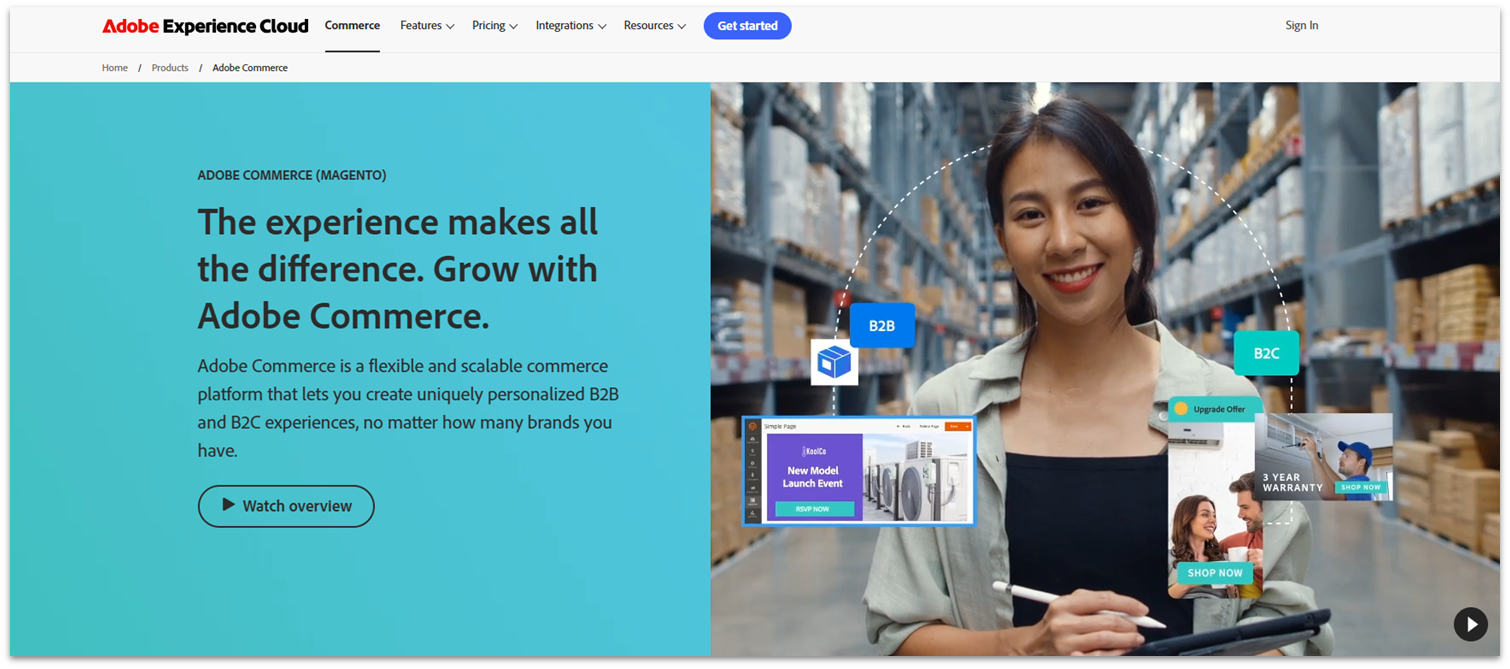
Adobe Commerce provides extensive backend customization options that let you modify all aspects of your online store. However, it doesn’t provide a simple user-friendly dashboard like other platforms; changes are made directly through a command terminal. And, if you don’t have coding experience, Adobe offers managed services to make the platform more accessible.
The integration with other Adobe products creates a seamless ecosystem for digital commerce. Tools like the Adobe Experience Platform automatically builds detailed customer profiles based on interactions across all touchpoints. The platform analyzes this data to create personalized shopping experiences, while the integration with Adobe Analytics provides deep insights into customer behavior and sales patterns.
Adobe Commerce uses a custom pricing model based on your business’s specific needs and annual revenue. While the core Magento software remains open-source and free to use, the full Adobe Commerce solution includes additional features, support, and hosting services that require a personalized quote from Adobe’s sales team.
Features
- Rapid storefront deployment. Adobe Commerce enables fast store creation, allowing you to get your business up and running quickly.
- Localization tools for international selling. Its localization features help you connect with clients globally and adapt to regional markets.
- Continuous updates. Regular updates keep your store secure and equipped with the latest features for a professional look.
- Full integrations with Adobe’s suite. Integration with Adobe tools supports better marketing and content creation for showcasing projects effectively.
| SEO tools | Custom metadata control |
| Marketing features | Integration with Adobe experience manager and other marketing software |
| Storage space (on cheapest e-commerce plan) | 50GB of testing |
| Starting Price (e-commerce enabled) | Custom |
Choose the Best B2B Ecommerce Platform for Your Business
Finding the right B2B e-commerce platform is key to streamlining your operations and driving long-term success. Whether you prioritize ease of use, scalability, or advanced B2B features, there’s a platform designed to match your requirements.
If you want a powerful yet flexible solution, Shopify is my top pick. It blends user-friendly design with a strong e-commerce framework and countless tools to scale your business.
For those who want a visually appealing storefront while also offering strong e-commerce tools for B2B commerce, Wix makes it easy to create a professional, customizable website.
If your business requires advanced features, BigCommerce stands out with the most comprehensive set of tools designed specifically for B2B businesses.
| Free Plan | Best Feature | Best For | Starting Price | ||
|---|---|---|---|---|---|
| Shopify | ✘ | Easy-to-customize templates with advanced e-commerce tools | High-volume businesses | $29.00 | |
| Wix | ✔ | Complete creative control | Smaller businesses looking to attract new clients | $17.00 | |
| BigCommerce | ✘ | Biggest list of B2B specialized features | Bigger B2B businesses with complex operations | Custom Pricing | |
| HubSpot | ✔ | Free commerce hub and integrations with HubSpot’s ecosystem | Users of HubSpot CRM software | $20.00 | |
| Ecwid | ✔ | Free starter plan and fast startup | B2B businesses with a modest online presence | $4.41 | |
| Adobe Commerce | ✘ | Complete backend control | Businesses with a dedicated IT team | Custom Pricing |