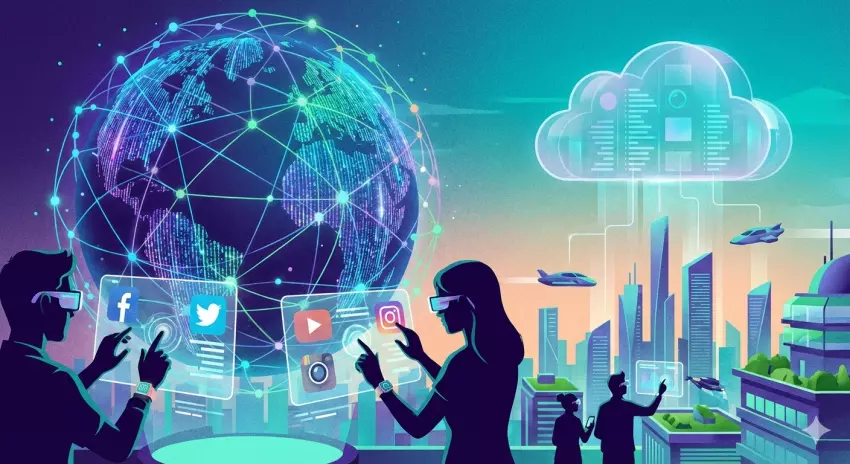

Social media in 2026 is no longer just about posting often or chasing the latest trend. With platforms evolving faster than ever and audiences becoming more selective about what they engage with, brands are being forced to rethink how they measure success, plan content, and build lasting relationships online. Likes and follower counts still matter, but they rarely tell the full story of what is actually driving growth, trust, and conversions.
At Website Planet, we work closely with digital experts, marketers, and business owners who rely on social media as a serious growth channel, not just a visibility tool. To better understand what truly works today, we asked industry leaders to share their insights on measuring real performance, staying consistent across platforms, adapting to constant algorithm changes, and uncovering the most underrated strategies brands should be using right now.
Below, top founders, creative directors, and marketing professionals reveal the tools, tactics, and mindset shifts that are shaping the future of social media and helping brands cut through the noise in 2026 and beyond.
What is one simple change that can dramatically improve social media results?
Don’t focus on what your client wants to sell the audience. People don’t go on social media to hear about your silly product. They want to be entertained, amused, distracted. This has been a main rule of advertising since day one and it has become a gazillion times more true since we have social media. So be funny, be silly, be amazing, be exciting. Honor the millisecond the almighty algorithm grants you with the viewers attention and present something that is not about your product in the first place. Don’t take too long. Don’t be boring. People didn’t grab their phone on the toilet to be told about that new insurance you’re trying to sell them. If it’s your ad that steals another second of their lives, please at last make it entertaining.
Christian Nath, Creative Director at Shuttle Design Studio
As AI-powered search leads to more zero-click results, how should brands use social media to stay discoverable and drive engagement outside traditional SEO?
Reaching the number one spot on Google used to be the ultimate victory. You popped the champagne, watched the traffic roll in, and counted the conversions. Today, that victory is often hollow. You can rank first and still be invisible.
The Rise of the “Zero-Click” Search
The landscape has shifted beneath our feet. We are seeing a dramatic rise in zero-click searches—queries where the user gets their answer directly on the results page and never clicks through to a website.
In fact, over 50% of all Google searches now result in zero clicks.
Why? Because AI Search and features like Google’s AI Overviews (AIO) are scraping your content to build comprehensive summaries. They answer the user’s question immediately, effectively removing the need to visit your site. Furthermore, a growing segment of users is bypassing search engines entirely, turning to tools like ChatGPT for direct answers.
The “Invisible Rank” Phenomenon
If your SEO strategy is still obsessed with traditional rankings, you are optimizing for a game that is ending.
- Traditional SEO: Focuses on keywords to get a blue link.
- AI Era SEO: Must focus on being the source of the answer.
If your content provides a simple fact that an AI can easily summarize, you will lose the click. Google takes the data, serves the user, and you get nothing but a vanity metric in your rank tracker.
How to Stay Visible in an AI World
To survive, you must move beyond basic information. You need to provide value that AI cannot easily replicate or fully summarize.
- Optimize for “Perspectives”: AI is great at facts, but poor at experience. Share unique case studies, personal stories, and contrarian views.
- Target Complex Queries: Focus on questions that require deep, nuanced explanations where a simple summary falls short.
- Build Your Brand Entity: Ensure AI associates your brand with specific expertise. When users ask ChatGPT about “best SEO experts,” you want your name included in the training data.
The goal is no longer just to be found; it is to be cited. The future of digital marketing isn’t about beating the algorithm—it’s about becoming the authority that the algorithm relies on.
Jukka Jumisko, Founder of WSI Web Enhancers
What is the most underrated social media strategy that brands should use today?
When people talk about social media strategy in 2025, the same ideas usually come up: post consistently, jump on trends, use Reels, run ads, collaborate with influencers. All of these matter—but they’re no longer enough in feeds that are more crowded than ever.
There’s one strategy most brands still overlook. It doesn’t require a huge budget or a large creative team, yet it consistently leads to higher engagement, stronger trust, and more conversions.
The most underrated social media strategy today is building micro-communities through meaningful, two-way interaction.
- Not posting more.
- Not using more hashtags.
- Not chasing every trend.
But actually talking to people properly.
Why Micro-Communities Matter More Than Ever?
Over the past two years, every major platform has shifted to reward genuine interaction:
- Instagram pushes posts with conversations, not just likes
- TikTok values content that sparks comments and duets
- Facebook prioritises community-driven discussions and Groups
- LinkedIn boosts posts that create dialogue rather than broadcasts
Yet many brands still treat social media like a digital billboard. The result? Pretty content. Little impact.
What Is a Micro-Community?
A micro-community is a small, engaged group of people who:
- Feel connected to your brand
- Actively engage with your content
- Share feedback and recommend you to others
Not thousands of silent followers, just a few hundred people who genuinely care.
How Brands Can Build Micro-Communities?
- Reply to comments like DMs: real, human responses, not generic “Thanks!”
- Ask real questions: not engagement bait, but questions that create natural conversation
- Share behind-the-scenes content: show the process, the people, and the journey
- Use Stories to connect: polls, Q&As, quick updates, and voice notes
- Reward engagement: exclusive access, early launches, or private offers
Why This Strategy Works?
Because algorithms follow people. Genuine interaction signals value, increases organic reach, lowers ad costs, and helps brands build long-term trust instead of just publishing polished posts.
Most brands still don’t do this, which is exactly why it works.
Zack A., Social Media Manager at Nerds Agency
How do you measure real success on social media beyond likes and comments?
I look at whether the content is actually moving people toward something meaningful. Saves, shares, link clicks, replies, and DMs tell you way more than likes do. Even better: track how many people join your email list, hit your website, or convert into leads after seeing your content. If the audience is growing with the right people, people who stick around, engage consistently, and take action.
Clayton Rannard, Co-Founder of Collabstr
How do you approach content planning to ensure consistency across platforms?
We first choose a page based on keyword research, we create a podcast on that topic and use AI to write the script.
Once we have the podcast produced, we create a blog post from it with a bit of help from AI.
We take that blog, link it, and connect it to the podcast. Then we create social media posts from that blog, essentially excerpts that link back to the blog to drive traffic to the blog and the website.
We often promote social media posts to drive more traffic back to the website.
Robert Donnell, Co-Founder and CEO at P5 Marketing
How do you keep up with constant platform changes without losing focus?
Platforms change constantly, but clear storytelling, useful information, and content that genuinely catches an audience’s attention will always perform. That is where we put most of our focus when we manage client accounts.
The way people consume content evolves, but the goal doesn’t. Our job is to understand what the audience cares about and create work that speaks directly to that. We stay on top of platform updates so we understand how people are interacting with content, but we always come back to the fundamentals for our brands: be clear, be relevant, and provide real value with every post.
That is what keeps content performing, and it’s what keeps us focused no matter how quickly platforms change.
Anthony Richey, Creative Director at Path Creative
How do you balance creativity with data when managing social media campaigns?
I’ll be honest. Picking the right campaigns can drain me. You’re drowning in data one minute, then chasing a dozen creative directions the next. It’s a lot.
So what keeps me sane? People. My network of advertisers and ad networks have become genuine friends over the years. They toss me ideas, challenge my thinking, and spark creativity when I’m running on empty. Publishers chime in too with real feedback about what’s landing with audiences.
Then there’s my team. My developers see patterns I miss. My account managers stay plugged into what’s actually moving the needle. Together, they keep me from disappearing down rabbit holes.
Data tells you what happened. But people tell you what to do next.
Alexis Sreckovic, Founder of Work.ink