
In this special interview by Website Planet, I looked for help in trying to make sense of the current conflict between Matt Mullenweg and WP Engine, and understand the potential implications for the WordPress and open-source communities.
As the founder Percona, an open-source database company with over 3,000 users, and a recognized leading expert in open-source strategy and database optimization, Peter Zaitsev is no stranger to navigating the balance between open-source ideals and business realities.
His insights will help us understand the real implications of this clash for the internet as a whole, and why a mindset shift is crucial for the survival of open source.
Quick recap: What’s going between WordPress and WP Engine?
Automattic, led by Matt Mullenweg, operates WordPress.com and some of the most popular services for WordPress, such as the Jetpack plugin, WordPress.com VIP, and WooCommerce.
WP Engine provides hosting services for WordPress sites, hence it’s a direct competitor of Automattic.
In mid-September, Mullenweg called WP Engine a “cancer to WordPress.”, because they disabled the ability to see and track the revision history of each post, in his view just for the sake of saving money. He also complained WP Engine for not contributing enough to the open source project and for using the “WP” brand, which can make customers believe it’s part of WordPress.
WP Engine responded with a cease-and-desist letter to Mullenweg and Automattic, asking them to withdraw their comments, and saying that using the WordPress trademark falls under fair use. They also accused Mullenweg of requesting them to pay a significant percentage of its revenues to buy a license to the WordPress trademark. Since then, Over 150 employees left Automattic, mostly in disagreement with Mullenweg’s management of this dispute.
With these details in mind, let’s hear from a veteran contributor to the open-source world what this dispute means for the WordPress community, and how it is likely to impact it in the long run.
Automattic’s aggressive defense challenges open-source freedom and could impact innovation
My initial reaction was that this is a messy situation where both sides end up losing. Like the film WarGames, the only winning move is not to play.
First, this is not a battle between two companies. Matt is “BDFL” (Benevolent Dictator for Life) of WordPress. As he has so much control over the project, the community has very different, much higher expectations of how he will act compared to some large commercial company. With enterprise companies, it is kind of expected that they will use open source software as allowed by its license, without giving anything back. They might pay for support or for cloud services they need, but they don’t have to contribute.
The fact Automattic chose to invest a lot of developer time in WordPress is their choice. It is admirable. But it does not give them the right to force others to contribute, or to block them when they don’t want to contribute.
Open source software is defined by software licenses, where you provide your software for anyone to use without any restriction on how they use it, what they use it for, and be technology neutral. That means that others can take your project and use it for their own purposes, and that includes competing with you for customers. That is part of open source, it always has been.
One of the main ways that companies protect their operations is by putting trademarks and copyright in place. This copyright can protect branding, but you have to defend that copyright over time, or you lose it. The challenge here is whether WP Engine has misled customers through appropriating a trade mark, but the discussions about open source contributions have polarized the attention.
For those of us that have been involved in open source for years, WordPress has always been held up as a success story for the community and for the company behind the project. Matt and the team at Automattic have done a huge amount for the WordPress community.
But the way that he has taken action against WP Engine has seriously affected the community and caught a lot of others in the blast radius.
On the other side, you can see the argument that Matt makes – WP Engine competes with the WordPress community and with Automattic. WP Engine does potentially confuse prospects through its branding, but does this use fall into the Fair Use Doctrine?
WordPress has to defend its trademark, and prevent it being used by other companies. Mixing the two issues – open source and copyright – has not helped the situation. In open source, the choice to contribute or not is WP Engine’s prerogative – there is nothing that forces companies to contribute at all, let alone to the amount that has been demanded. If you believe you need a commercial license to use a trademark, then this is what you ask.
If this goes to court, the decisions around trademarks might be one of the biggest impacts for the Open Source ecosystem. A lot of companies – Percona Included – rely on “Fair Use” of Trademarks to name their software, which are extended versions of open source projects or that provide additional functionality for those projects. Fair Use does not require any permission from the copyright holder to use those terms.
This is important, because it supports “permissionless innovation” which is one of the key values that open source provides. If there are significant changes to what is permitted by doctrine, the impact could be huge and slow down how quickly users can move around building on existing open source projects.
Automattic is undermining trust in WordPress leadership and harming its community
Picking the “nuclear option” and taking over a specific plugin has undermined trust in the BDFL model that exists around WordPress. People are looking closer at what kind of foundation is associated with the project.
The blockade imposed by Automattic preventing sites hosted on WPEngine from accessing essential plugins, themes, and updates has affected huge numbers of teams, leading to breakages on websites and huge amounts of time spent on fixing the problems caused.
Besides that, taking over a project that was actively supported and being developed is not in the spirit of the open source community ethos either. In fact, it could set a horrible precedent – could Docker change your containers if it did not agree with your approach, or GitHub change a code repository?
For plugin developers, agencies and users, there are two crucial questions they have to answer:
1. Do they feel WordPress is still the project they want to commit to over time?
Moving from one content management system to another like Drupal is a huge commitment and it does have a cost. However, I think there are individuals that think they have to make that change.
2. Do they trust that those leading the WordPress community have their best interests at heart, or that they are being treated as commodities to trade with?
For any organisation that relies on its community, taking that community for granted is a serious mistake.
Hosting companies supporting WordPress are nervous too – if Automattic goes after WP Engine, will it come for other companies as well? That is, I think, the biggest risk that agencies and other hosting companies think about. Some individual users may feel that they can’t support this approach too.
Is Your Website Affected by This Dispute, and what can you do?
Your website may be affected if it runs any of these plugins and themes owned by WP Engine are impacted:
- Advanced Custom Fields
- NitroPack
- WP Migrate Lite
- WP Offload Media Lite
- WP Offload SES Lite
- Better Search Replace
- Frost
- Genesis Blocks
- Genesis Custom Blocks
- Genesis Simple Hooks
- Genesis Connect for WooCommerce
- Genesis Simple Menus
- SEO Data Transporter
- Genesis Beta Tester
- Pattern Manager
- PHP Compatibility Checker
if you’re using one of those plugins by WP Engine, you must install the WP Engine updater plugin to continue receiving updates, or look for an alternative.
It’s not just WordPress
Many people assumed that the WordPress Foundation was an independent foundation overseeing WordPress. Now, everyone can see that this is not the case. The Foundation doesn’t even control essential assets, like the WordPress domain, suggesting that WordPress operates as a single-vendor open-source project—meaning it’s ultimately controlled by a single company, Automattic.
While this kind of arrangement is common in open source (where a single vendor controls a project), it often leads to companies moving from open-source to “source available” licenses. These licenses, such as the Server Side Public License (SSPL) or Business Source License (BSL), allow free usage for non-commercial projects but require commercial users to pay fees. The rationale for this shift is that the vendor needs revenue to pay the developers who create and maintain the software. Otherwise, companies can use the open-source software to profit without supporting the people behind it.
But this is not an argument that I subscribe to. Open source should be about freely sharing innovations—even if it benefits competitors—because the primary goal is to create value for the community rather than serve as a business model. Using source available licenses, although understandable, does not serve the needs of the users. If you are not happy with giving up control, then you should keep it as proprietary software.
For any companies thinking about open source as an approach, you should be aware of that right from the start. From an innovation perspective, open source software is all about delivering more value to everyone involved in the community. It is not a business model in its own right.
Sustainable open-source requires adaptable business models
Commercializing open source software is essential. You need to have a sustainable business so that you can pay maintainers and keep those projects moving. The old approach was to sell services around a project – if you developed the project, then you were probably the best source of support for those that wanted to use it. Then along came the cloud – cloud service providers took open source projects and used their platforms to deliver those projects. For companies, having access to open source services in the cloud was a great fit for them, but it took revenue from the companies that employ those building the projects.
If we want to involve companies of all sizes in open source–not just big technology companies–we have to find ways to build sustainable business models for open source software. This can include offering cloud services, delivering managed services, or looking at revenue sharing with cloud providers in return for support and expertise. There are lots of options, but the biggest lesson I have learned is that you cannot sit still on your approach. You have to keep in touch with customers, keep educating them on what you provide and why it is valuable.
What lies ahead
At the minute, it is hard to see a path forward. This is about the relationship between Matt and the broader community. On the open source and community side, I think the impact has already been felt too. The WordPress community will be affected by the conflict, and by how those involved in leading the community have acted. There will be a lot of work on re-establishing trust that would have to be regained. I don’t know if there will be appetite on either side for the work involved in rebuilding that trust.
Looking ahead, WordPress will continue as one of the most important open source web projects. But the community will have less faith in those that are leading the project, and I expect there to be attrition as people vote with their feet. I don’t foresee a fork of WordPress taking place, but other open source projects may see an uptick in consideration.
The key lesson: it’s about the community, not free access
Open source is hard. It offers a great way to build communities, attract developers and ensure that more people interact with your software. But it is not a business model in its own right, and you still have to think about how you can create a sustainable business alongside your project.
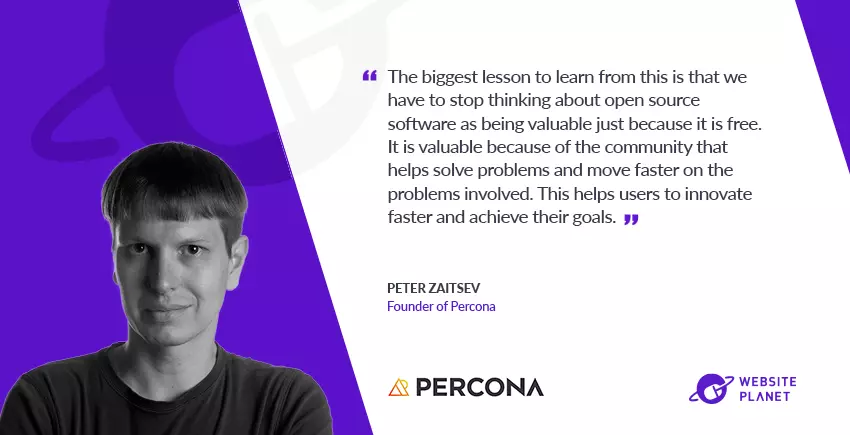
The biggest lesson to learn from this clash is that we have to stop thinking about open source software as being valuable just because it is free. It is valuable because of the community that helps solve problems and move faster on the problems involved. This helps users to innovate faster and achieve their goals. At the same time, this work has to be supported – that means salaries for committers, as well as support from companies that can pay back into the community, whether that is through money, time, or other contributions.
The alternative here is that we turn back toward software that is not open – that is not available for users to look at, to get help with from suppliers that have their interests at heart, or to change for their own ends. Down that path, we will turn back to being locked into what suits the needs of technology companies and providers rather than the needs of users.
Connect with Peter Zaitsev
LinkedIn: https://www.linkedin.com/in/peterzaitsev/
X: https://x.com/PeterZaitsev